.png)
Beyond Logos: Bringing Brands To Life As Characters
Mascots do more than look cute on packaging, though. They make people remember your brand and feel something toward it. A strong character can help lower your cost to acquire customers (CAC) because people already trust and recall what you stand for. Behind every design lies the brand’s story and energy with the right personality. That’s why choosing a mascot designer is so important. You need someone that can make a great looking mascot that will also embody your brand’s voice in a way that feels human, approachable, and memorable.
Why A Great Mascot Designer Matters For Your Business
A good mascot designer doesn’t just draw. They understand how design and marketing work together in the most magical ways. They especially understand how to balance creativity with business goals. You don’t want someone who only focuses on making cool art. You also don’t want someone who forgets creativity in the name of being “marketable.” The trick is finding the sweet spot in between.
Great designers make characters that do more than look fun. Their work inspires emotion and helps brands see real results. A strong mascot can boost recognition and build loyalty for years. I bet you could name off 5, 10, or even 20 mascots you’ve seen since childhood off the top of your head. So, picking a great designer is one of the best choices you can make for your brand’s future.
From Static Logo To Living IP: Why Quality Design Pays Off
A quality mascot design does more than sit on a website. It becomes a long-term brand asset that grows in value. Great designs pay for themselves not long after launch day. Instead of being a logo that never changes, it becomes a living part of your business that grows in value.
A mascot is more than a design. It’s legally protected intellectual property (IP). This means it’s something your brand owns outright. That protection covers how the mascot looks, speaks, and behaves across media. When done right, your mascot becomes a reusable, monetizable asset. Not only a one-time campaign piece. It ensures that no competitor can copy your character. Or, worse, profit from your creative investment.
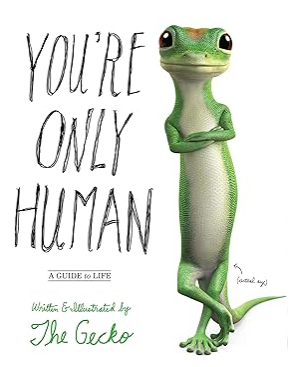
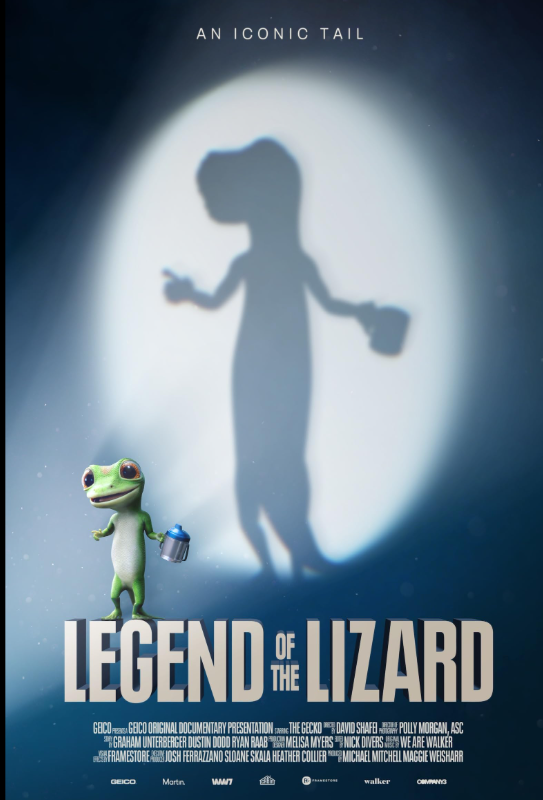
IP can be used in merch, media deals, and brand partnerships that last for years. The Geico gecko even ended up with his own book and documentary! That’s what happens when creativity and smart design come together. Your brand gains a character the world wants to follow!
Traits Of A Fantastic Brand Mascot Designer
Story‑First Thinker, Not Just An Artist
The best mascot designers think like storytellers. They ask questions like: what does this character say, how do they act, and how do they make people feel? Each line and color is chosen to help tell the brand’s story.
The best mascot designers think like storytellers. They ask questions like: what does this character say, how do they act, and how do they make people feel? Each line and color is chosen to help tell the brand’s story. A strong mascot starts with shape language. The silhouette alone should communicate its attitude and energy. Colors are chosen with intention, reflecting the emotions a brand wants to evoke. The proportions are carefully balanced. This is essential for the character to read clearly in any size or medium. Symbolism also plays a key role. Every feature should mean something that ties back to the brand’s values or purpose. Simplicity and consistency keep the design memorable, but small details add depth and personality. These fundamentals of character design combine to create a living extension of the brand’s story that feels real and relatable. Plus, a pleasant image!
Able To Match Style To Audience, Industry, And Channel
.png)
Great mascot design isn’t one-size-fits-all. A strong designer studies the brand’s audience and chooses a style that will click with them. For example, Gen Z’ers tend to like “meme”-worthy mascots, while millennials typically go for nostalgic ones. Finally, boomers usually enjoy more detailed styles. Of course, these tastes aren’t true for everyone in each age category. So, it’s up to the designer’s knowledge and intuition about what will work best for your specific audience. The style of your mascot should be chosen carefully, though. Each style gives a different impression of the mascot, even before they speak!
No single artist can master every style. Most are experts in only a few lanes. (A jack of all trades is a master of none! Or, so they say, at least.) That is why step one is to understand your target customers and what they like to see. Once you know that, you can narrow your search for a designer whose work already matches that zone. Good style choices also reflect the product, tone, and field the brand works in. The trick is to fit the space while still feeling fresh and different from everyone else.
Comfortable Designing For Merch, Animation, And Social Media
When you invest in a mascot, you want it to work everywhere. A good mascot designer keeps that in mind from day one. They plan how the character will look on social media, in paid ads, on banners, and more. One clear vision means you aren’t stuck finding new artists for every new need.
Merch is part of the plan too. The designer should be able to prepare full model sheets that can be sent to manufacturers, as well as concept art for merch. These guides make life easier for toy makers and animators. It’s a guide so they know exactly how the mascot should look. This makes it easy to translate it into whatever medium they work in. Plus, concept art can give you an idea of what the final product will look like. With this level of prep, your mascot can move into new channels and products without losing its charm.
How To Evaluate A Business Mascot Designer
Red Flags And Green Flags To Look For
Picking a mascot designer is a lot like choosing a teammate for a big project. You will be talking with this person, sharing ideas, and solving problems together. So, your feelings about them matter. If you feel nervous, brushed off, or like they are not listening, trust that feeling. It’s totally okay to move on and try someone else. You should feel safe asking questions and sharing honest thoughts. A good fit feels like, “We’re in this together.”
There are some clear green flags to look for. A strong designer can explain their creative process step by step, from research to sketches to final art. Their portfolio shows different kinds of projects, not only the same character copied over and over. They ask about your audience, your goals, and how you plan to use the character. They also take feedback well. (Constructive criticism is so important for making a mascot. If revisions are needed, nobody’s feelings should be hurt. It’s not a personal attack! It’s working together to make the best mascot you possibly can.) The artist may push back if a change hurts the design, though. The big difference here is that an artist protesting an unneeded change can explain why it’s not a good idea. Then, they’re willing to work with you on a better solution.
Red flags are just as important. Watch out for a designer who will not bend at all, or who makes you feel silly for asking for edits. Let’s say they skip research on your brand, or only talk about “cool looks” and never mention strategy. That’s a huge warning sign. Another red flag is getting angry or cold when you give any critique. If every small note turns into a fight, it will be very hard to finish the project. When you see these signs, it is better to say “no thanks” early and protect your brand.
Trust your gut. If you aren’t vibing with an artist, then try out another one. Building a connection with your artist is essential. You should feel a real sense of trust with them.
50 Questions To Ask Before You Hire A Mascot Designer
Bringing a mascot designer onto your team is a big step, so you do not want to rush it. Before you say yes, take time to ask a few key questions. Their answers will show you how they handle strategy, feedback, and deadlines. Think of this as your quick “interview guide” for finding the best match.
Think of this list as your mascot designer's audition playlist. Skip or shuffle the questions as needed! You don’t have to ask your potential designer all these questions. Just grab the ones that vibe hardest with your goals and leave the rest.
- How do you make sure designs fit both digital and physical uses?
- What’s included in your process (concepts, revisions, final formats)?
- How do you test if a mascot will appeal to my audience?
- Do I get full rights to the character after it’s complete?
- What steps do you take to understand a brand’s personality or story?
- How do you translate brand values into visual traits for a character?
- What’s your experience designing characters for marketing versus entertainment?
- How do you ensure your designs are unique and not too much like others?
- Can you walk me through your creative process from concept to final mascot?
- How many initial concepts do you usually present?
- What tools or software do you use for character design?
- How do you handle feedback and revisions throughout the process?
- Do you provide turnaround sketches before moving into color?
- What’s your timeline for a full mascot project?
- How do you manage deadlines and communication during long projects?
- Do you/can you work with outside animators or illustrators when needed?
- How do you test how a character will look when printed at different sizes?
- Can you adapt the design for costumes, merchandise, or animation later on?
- What techniques do you use to make a mascot feel engaging to emotion?
- How do you balance creativity with a brand’s existing design system or logo?
- Can you help define how the mascot moves or behaves in media?
- How do you handle cultural sensitivity and inclusivity in character design?
- How do you build a character that can evolve with the brand over time?
- What kind of reference materials do you ask clients to provide?
- Do you offer style guides or usage manuals after project completion?
- How do you ensure brand consistency if many designers are involved?
- What types of file formats do you deliver in the final package?
- Do you help with naming or developing backstories for the mascot?
- How do you measure the success or effectiveness of a final mascot?
- How do you price projects? (As in, by scope, deliverables, or time?)
- What’s your policy if we need major changes after approval?
- How do you balance creative expression with a clear business goal?
- How do you handle licensing or merchandising opportunities tied to the mascot?
- Can you assist in creating a long-term mascot brand guide for internal use?
- Do you retain any usage rights or transfer them all to the client?
- Do you/Can you assist with trademarking or IP registration guidance?
- How do you make a mascot appeal to both children and adults?
- How do you handle collaborations with marketing or ad teams?
- Do you provide mockups showing the mascot in context, like packaging or signage?
- Do you test readability and recognition from different viewing distances?
- How do you make sure the mascot connects across cultures or languages?
- Can you create alternate outfits or seasonal versions of the mascot?
- How do you stay updated on trends in branding and character design?
- How do you approach designing for brands that already have a strong identity?
- Do you storyboard how the mascot might appear in ads or short videos?
- Are you willing to collaborate with copywriters or strategists during development?
- How do you make the character design accessible for all age groups?
- How do you ensure a mascot works well on social media avatars and icons?
- How do you align mascot design with overall brand positioning and goals?
- How do you ensure the mascot remains relevant as the brand grows?
- How will your mascot design help differentiate our brand from competitors?
Pricing, Timelines, And Rights: What Should Be In The Contract
When you hire a mascot designer, the contract is the map of the creative journey you’ll take together. It should clearly list the total price, what you will receive, and when you will receive it. Common deliverables can include concept sketches, final vector files, and model sheets. Sometimes, social media-ready images are included as well. Since deliverables can vary so vastly, it’s important to define them. The contract should also show the payment schedule so you know when each invoice is due.
Rights are one of the most important parts. The agreement needs to say who owns the mascot when the project is done and how it can be used. Can you put it on merch? Can you license it to partners later? Clear answers here help you avoid legal trouble in the future.
You should also see how many revision rounds are included and how long each stage is estimated to take. A transparent designer will talk about pricing up front. They should also discuss the cost of extras like animation, plush-ready model sheets, or special file formats. A good contract shouldn’t feel like chains. It protects both you and the artist and keeps communication smooth from start to finish.
Data‑Driven Mascot Design: Our Competitive Edge
Here is our not-so-secret secret: we don’t design in the dark. Our CharacterIQ tool gives us an unfair edge by showing what styles, tones, and roles work best for different audiences. Instead of guessing, we test and tweak.
Why Most Mascot Designers Still Rely On Guesswork
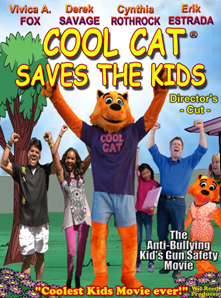
Most mascot designers are still guided by gut feeling. They draw what they think looks nice or cool and hope the audience agrees. The Cool Cat character is a great example of this trap. The creator built a mascot he personally loved, but it didn’t match what kids actually enjoy or relate to. The results were awkward and easy to mock, and his franchise was ultimately a failure.
Research often gets rushed or ignored. Some teams might run a quick poll or peek at trending tags and call it a day. But what is trending right now is not the same thing as what will matter long term. Real data looks at patterns over time. It shows which types of mascots keep drawing people in, and which ones fade away. Without that, a design might look polished and modern but still miss the right crowd.
When there is no data behind the design, it is hard to tell if the mascot is doing its job. Does it help people remember the brand? Does it build trust or spark emotion? No one really knows. Brands may enjoy the art at first, but over time they see weak results and have to pay for a full refresh. Using data from the start changes this. It lets you design with proof, not only hope. This leads to mascots that last longer and connect deeper.
CharacterIQ: Data-Driven Insights for Smarter Character Decisions
Most studios guess what fans will like. We ask them. CharacterIQ is like a live focus group that never sleeps. We collect real-time data from millions of fan votes and reactions online. This gives us a clear picture of what your exact audience is into right now.
With CharacterIQ, we can see which archetypes, styles, and story types are on the rise for your group. Do they love soft helpers, loud jesters, or cool heroes? Are they into flat, meme-style art or detailed, classic designs? We know before we even start sketching. That means less guessing and fewer “hope this works” moments.
Because we are an internet-first studio, we mix taste, art, and a touch of science. Traditional studios can’t replicate what we’ve created. Sure, they might run a survey once in a while. But we have a live feed of audience taste 24/7. When you work with us, your mascot is built on what people actually love, not just on what looks good in a vacuum.
How You Can Work With Our Team
Who’s our team? We’re the studio behind CharacterHub, a community of over 500,000 artists and character fans! We’re an internet-first studio that mixes taste, art, and science. Plus, we’re backed by leaders from top entertainment companies. Think Twitch, Crunchyroll, Rotten Tomatoes, and Hollywood. When you work with our team, you aren’t only hiring a single artist. You are plugging into a full character lab built for the internet.
You can choose how deep you want to go with us. Some brands start with CharacterIQ reports when they only need audience insights. This is best for those who have the resources to make their own mascot. But with the bonus of data backing your mascot for success!
We can also help with strategy, idea generation, concept sketching, design, and final mascot art. We provide image files that’re ready for web, print, and social media. Licensing a mascot with us is possible, too! We also have tested out a ton of manufacturers and can hook you up with high quality costume, toys, or trading cards!
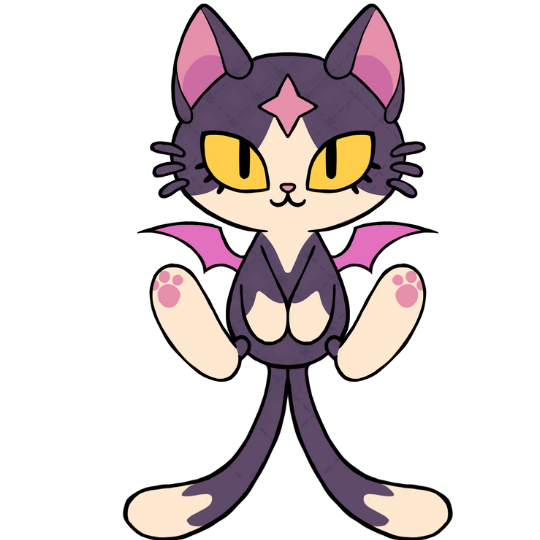
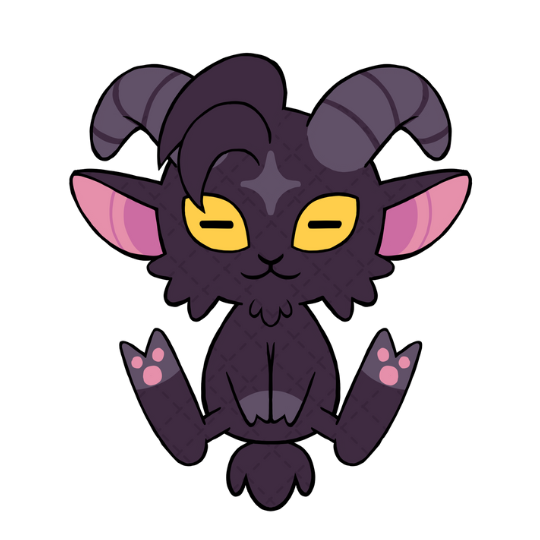
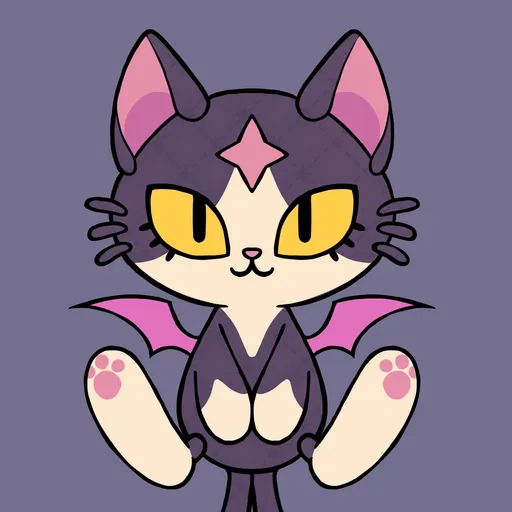
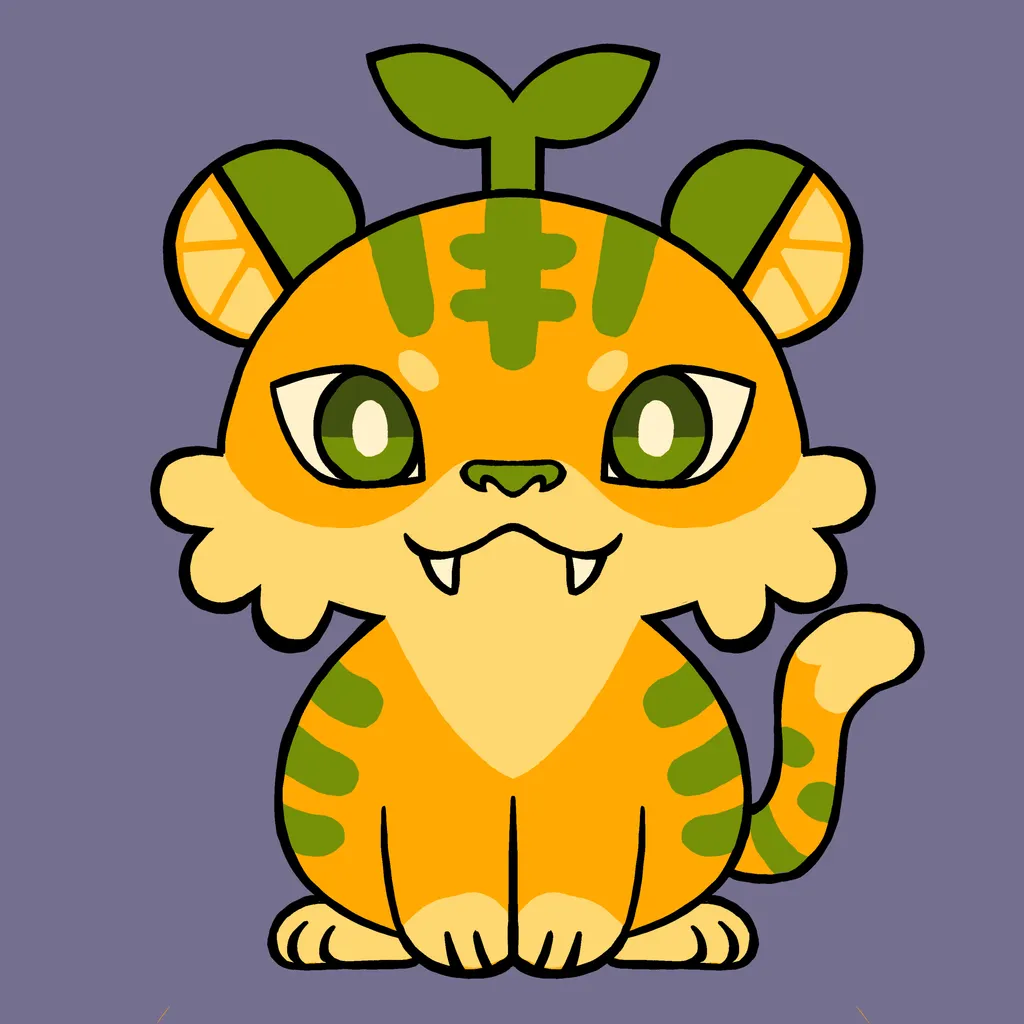
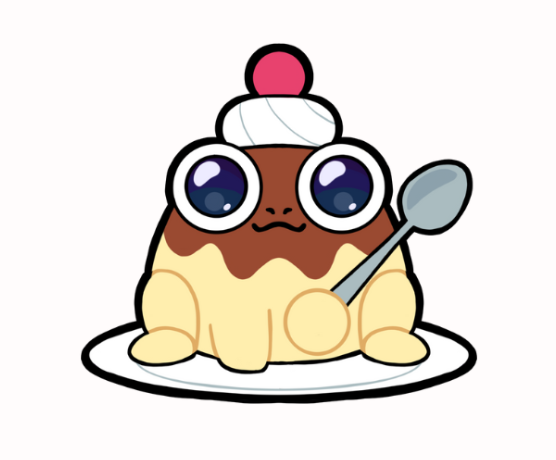
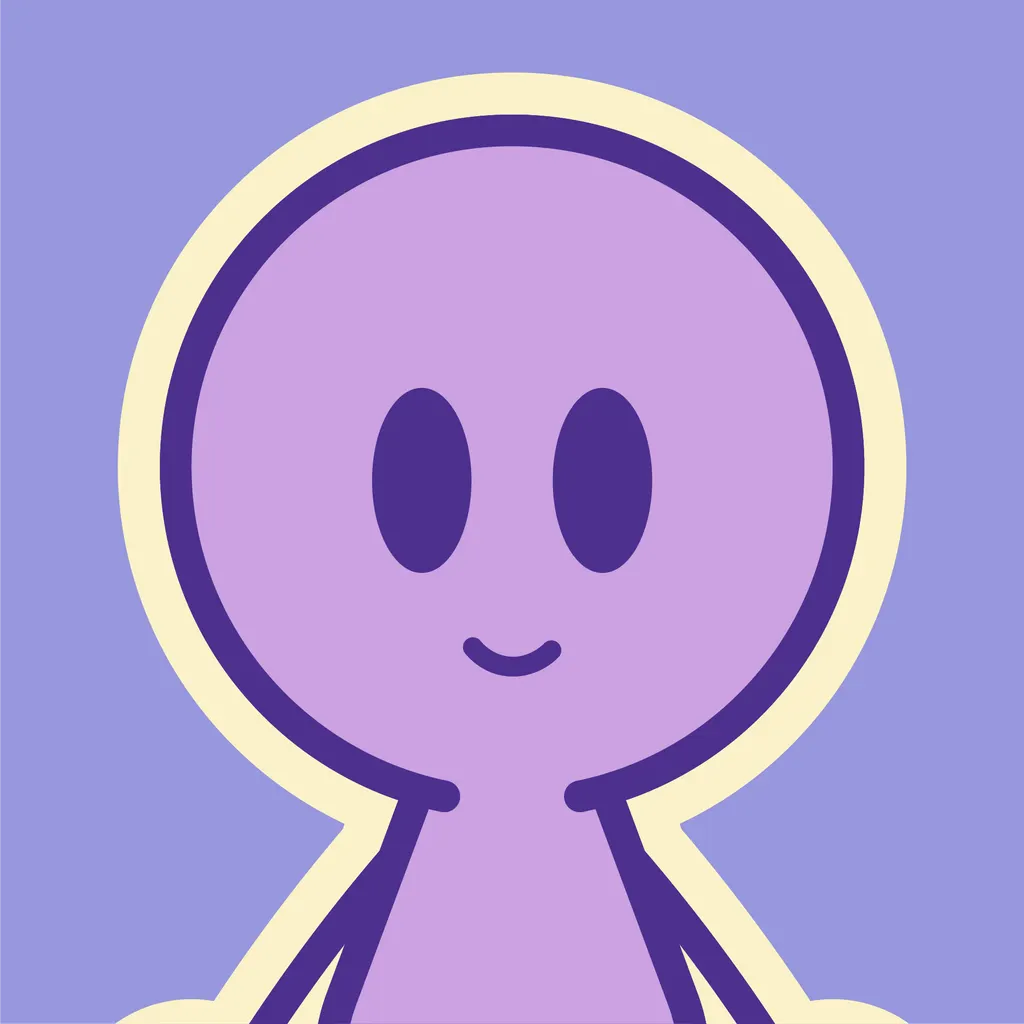
Here’s some mascots we’ve designed, along with audience insights from CharacterIQ. You may notice they’re all pretty cute. Don’t worry! That’s not the only style we can do. With our huge pool of artists, any style is possible! These are only the ones we have permission to share with you so far.

Your Path to a Stronger Mascot Starts Here
With the right partner, your brand can have a character that feels alive, on-brand, and built to last.
Mascot Branding is here to guide you through every step. From early audience insights to a fully realized mascot and merch-ready files, we’re here for you. If you are ready to upgrade an existing character or start fresh with something new, go no further. Our team can help you choose the right direction and bring it to life.
The next move is simple. Think about the role you want your mascot to play, and then reach out so we can talk through your goals together. Your path to a stronger mascot starts with one small step. Just visit mascotbranding.com and get in touch!
%20(1).png)
Scarlett Bittle
With a pencil as her magic wand, Scarlett Bittle aims to spread the magic of creation to the world. She’s a multimedia artist, with experience experimenting with a spectacular spectrum of mediums. If you’re drawn to see more of her work, check it out on her instagram.
Find Out More
%20(1).png)